When you open the fridge on a Tuesday evening at 7 PM and find a bit of vegetables, some pasta, and a few eggs, the temptation for a ready-made meal is strong. The good news is that these leftovers are more than enough to create a tasty meal. Easy everyday recipes require neither an endless list of ingredients nor special talent, just a few concrete habits that make the difference between a bland dish and a successful meal.
Cooking with pantry and fridge stocks
Most recipe articles start with a shopping list. We do the opposite: we look at what we already have. An onion, a can of lentils, a leftover piece of cheese, and a bit of cream are enough to kick off a gratin or a thick soup.
This approach, supported by recent meal prep guides, reduces waste and time spent shopping. We only buy what’s missing at the grocery store, instead of filling a cart based on a recipe found online. Specifically, you can find ideas suited to this method on specialized sites like https://www.cookinette.fr/, which offers recipes organized by type of ingredient.
The habit to adopt: before planning the week, open your cupboards and fridge, note what needs to be consumed first, and then look for a compatible recipe. Pasta, rice, canned vegetables, and eggs already cover a wide range of dishes.
Three weeknight meals that always work
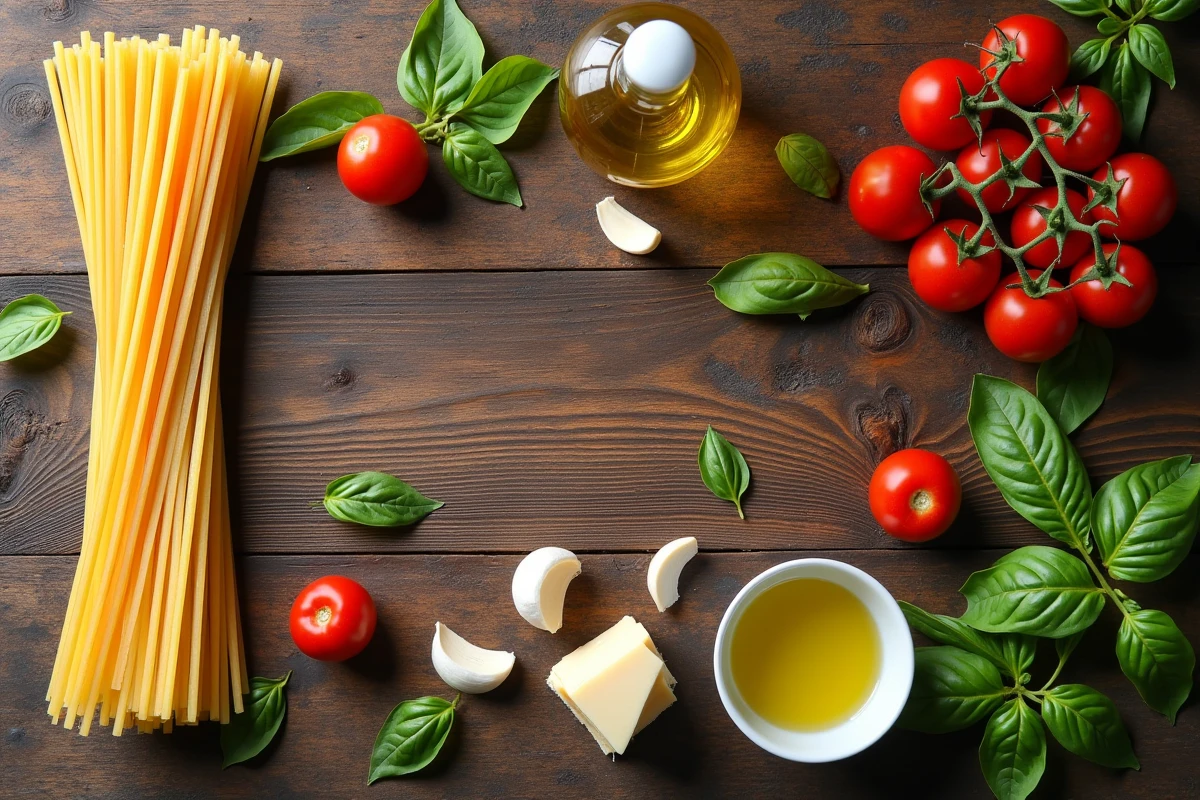
Instead of listing fifty skimmed recipes, here are three solid bases that can be adapted based on what you have on hand.
Vegetable stir-fry with starch
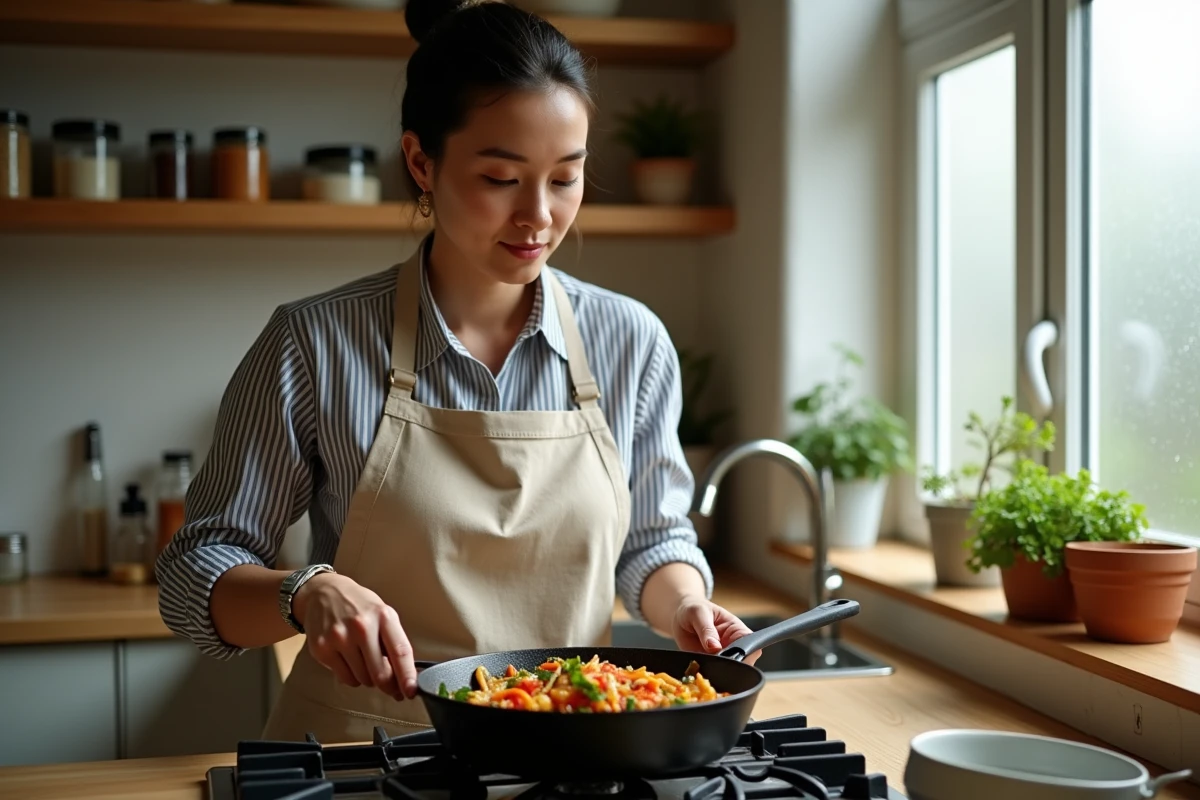
Sauté the available vegetables (zucchini, bell peppers, mushrooms, carrots) in a bit of olive oil. Add cooked pasta, rice, or sautéed potatoes. A cracked egg on top at the end of cooking transforms everything into a complete dish. Actual preparation time: the cooking time of the starch, nothing more.
Composed meal salad
A base of green salad or cold grains (bulgur, quinoa), a protein (canned tuna, Sunday chicken, chickpeas), a grated raw vegetable, and a homemade dressing. The dressing makes all the difference: olive oil, mustard, a splash of vinegar, and a pinch of salt. You get a balanced meal in just a few minutes, ideal when you don’t want to turn on the oven.
Express gratin
The gratin can absorb just about any leftover vegetables. Arrange the cooked or pre-cooked vegetables in a dish, cover with quick béchamel (butter, flour, milk) or simply cream mixed with an egg, add grated cheese, and bake. The oven does the work while you move on to other things.
Simple technical gestures that change the result
The difference between a decent dish and a truly good one often lies in a few cooking details that written recipes do not specify enough.
- Take the eggs and butter out to room temperature before preparing a dough, quiche, or cake. Cold ingredients do not mix well and give an uneven texture.
- Cook green vegetables (beans, broccoli) in boiling salted water, then immediately plunge them into ice water. This thermal shock preserves their bright color and crunchiness, instead of resulting in soft, grayish vegetables.
- Season in layers, not just at the end. Salt the pasta water, salt the vegetables while cooking, taste before serving. A well-seasoned dish at every stage doesn’t need sauce to have flavor.
- Don’t overcrowd the pan. When too many vegetables or meat are piled up, the temperature drops and the food steams instead of browning. It’s better to cook in two batches.

Planning meals without a complicated chart
You don’t need a color-coded planner to organize the week. A visual cue is enough for each plate: one protein, one starch, one vegetable. This simple grid, recommended by nutritionists in recent resources, prevents you from thinking too long in front of the fridge.
On Sundays or shopping days, prepare two or three elements in advance: a homemade tomato sauce, a batch of rice, washed and chopped vegetables. During the week, assembly takes about fifteen minutes. Feedback varies on shelf life, but most of these basic preparations last three to four days in the refrigerator without issue.
For proteins, lentils and chickpeas often come up in anti-inflation cooking. They are inexpensive, store well when dry, and replace meat in many recipes (dahl, composed salad, gratin). Alternating animal and plant proteins lightens the budget without sacrificing satiety.
Successfully making easy recipes daily: mistakes to avoid
We often fall into the trap of wanting to do too much. Three well-prepared ingredients yield a better result than ten poorly matched ones. A homemade pizza with a good dough, a simple tomato sauce, and quality cheese beats any overloaded pizza.
Another common mistake: following quantities to the gram for an everyday meal. Focusing on variety and pleasure rather than on the scale makes cooking accessible, even for beginners. Precise measurements are useful in baking, much less so for a vegetable stir-fry or a salad.
The last point concerns cooking. Many failed dishes are due to turning the heat up too high out of impatience. Medium heat and a few extra minutes provide even cooking, tender vegetables, and meat that doesn’t toughen. The everyday meal doesn’t need to be spectacular; it needs to be mastered.