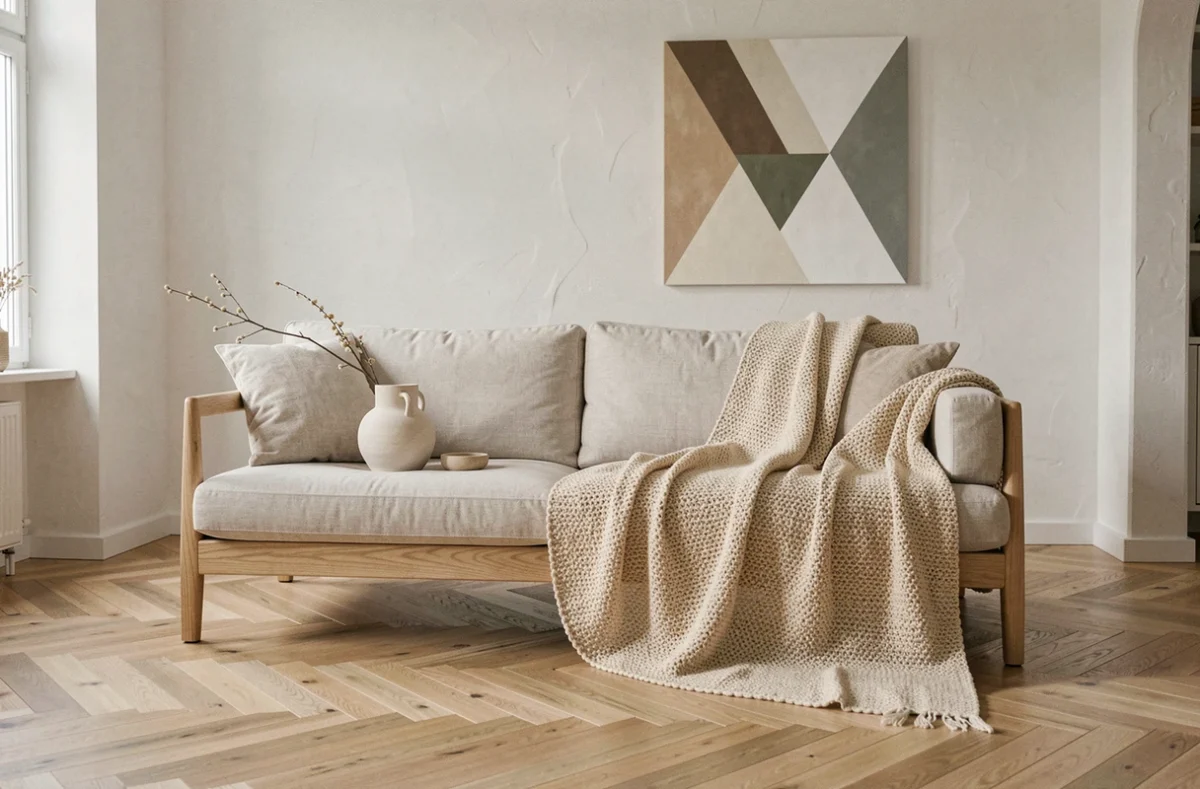
Online decor refers to all the platforms, tools, and content that allow you to choose, visualize, and purchase furniture or accessories for your home without having to travel. This practice encompasses both the consultation of digital catalogs and the use of rendering simulators to test a layout before purchase.
Upholstery Fabrics and PFAS: A Selection Criterion Still Largely Invisible Online
When browsing a product sheet for a sofa, curtain, or rug, the information typically covers dimensions, color, and sometimes the fabric composition. One parameter remains largely absent: the presence or absence of PFAS in textiles.
PFAS are substances used, among other things, to waterproof upholstery fabrics. Recent recommendations point towards untreated textiles without these compounds, which directly concerns cushions, curtains, rugs, and sofa covers.
Before finalizing an online textile purchase, checking if the manufacturer mentions the absence of PFAS waterproofing treatment serves as a concrete filter. Brands that communicate on this point usually indicate it in the “composition” or “commitments” section of their product sheet. Those that do not mention it leave a doubt that a simple email exchange with customer service can clarify.
To deepen the search for textile pieces and furniture that align with these requirements, discover the Espace Déco platform to compare a variety of ranges from a single entry point.

Modular Furniture: Adapting to Changing Uses of a Room
Modularity is not just an aesthetic trend. It addresses a real constraint: housing is becoming smaller and the uses of the same room are multiplying. A living room serves as an office, a guest room becomes a gym, and a dining area transforms into a play space.
Online decor platforms now offer filters dedicated to transformable furniture: extendable tables, compact sofa beds, repositionable shelves, foldable desks. The idea is not to multiply furniture but to reduce their number by increasing their versatility.
Criteria to Check Before Buying Modular Furniture Online
- The transformation mechanism: a convertible sofa designed for daily use cannot withstand the same usage as a model intended for occasional use. Product sheets rarely specify this point, so it’s essential to look for user reviews on the durability of the mechanism.
- The actual footprint when deployed: “folded” dimensions are always listed on the sheet, but “unfolded” dimensions are sometimes absent. A foldable desk that requires a one-meter wall clearance may not fit all configurations.
- Compatibility with intergenerational use: spaces adapted for cohabitation between generations (facilitated circulation, suitable seating heights) are an increasing demand noted by design professionals.
This last point is rarely addressed in standard online catalogs. An interior designed for multiple stages of life requires checking not only aesthetics but also the ergonomics of the furniture in various usage scenarios.
Colors and Real Rendering: The Gap Between Screen and Interior
Online decor shopping faces a structural limit: the inability to touch materials and see colors in natural light. A terracotta color on screen can turn orange once placed in a north-facing living room. A corduroy fabric may appear smooth in a catalog photo.
Some methods can help reduce this gap without giving up online shopping.
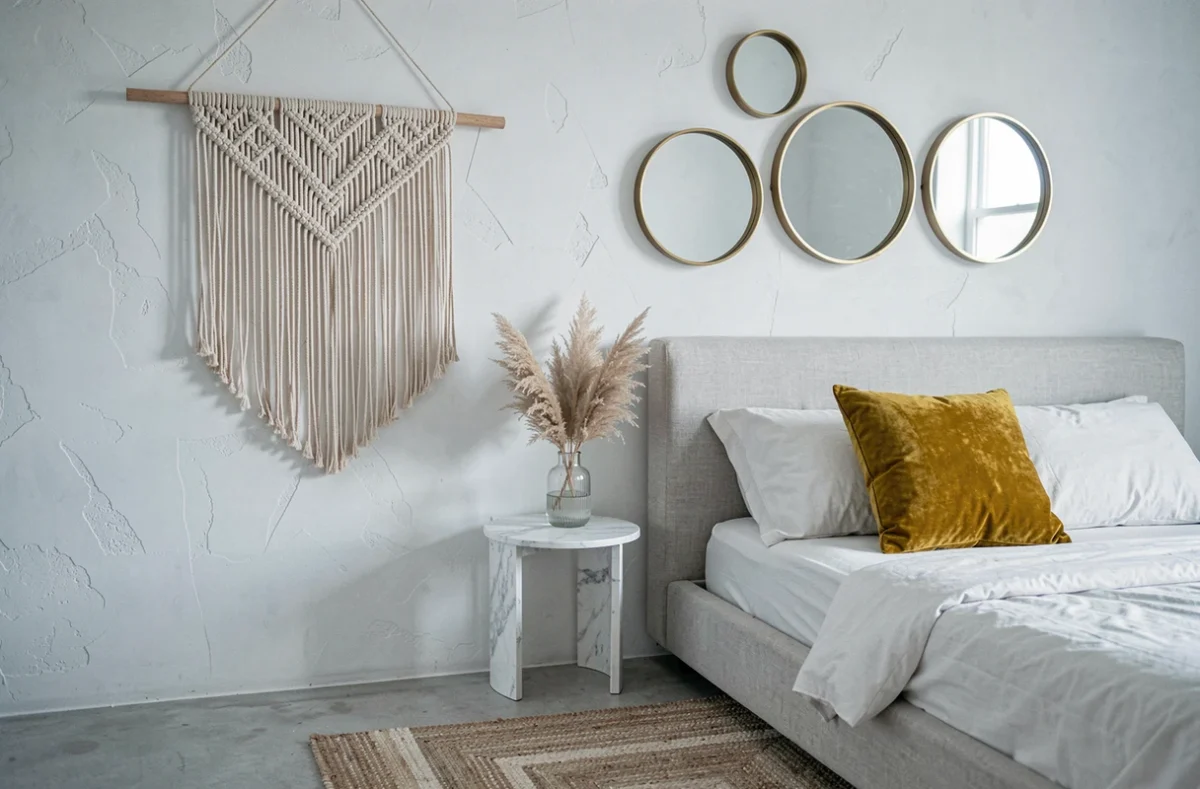
Use Samples Before Final Order
The majority of furniture and textile websites offer to send samples of fabric or wood finishes. The cost is often symbolic or refunded upon order. Comparing a color sample under the light of the targeted room remains the only reliable way to validate a color choice.
Decor Simulators and Limits of Digital Visualization
Visualization tools (decor AI, style simulators) allow you to test a layout or palette in a photo of the room. Their interest is real for spatial arrangement and proportions. However, texture and comfort cannot be simulated: a long-pile rug and a short-pile rug can have the same visual rendering on screen while offering a radically different experience underfoot.
The most reliable approach thus combines online inspiration (styles, proportions, palettes) and offline validation (samples, showroom visits when possible) before any significant purchase.
Reuse and Material Traceability in Decoration
The second-hand decor market is gradually structuring itself. Specialized platforms for used or vintage furniture allow you to find pieces at lower costs while limiting waste production.
A less visible aspect is emerging: the traceability of materials in reused furniture. Knowing the origin of the wood, the type of varnish, or the composition of a padding becomes a criterion for buyers who want to avoid certain substances in their home. This requirement pushes second-hand sellers to document the history of their pieces more thoroughly.
- The most advanced reuse platforms provide a descriptive sheet including the year of manufacture, the original manufacturer, and identified materials.
- For older pieces without documentation, a visual inspection (condition of joints, type of hardware, fabric smell) gives clues about the quality of preservation.
- Solid wood furniture without veneer or particle board is generally the easiest to evaluate and the most durable over time.
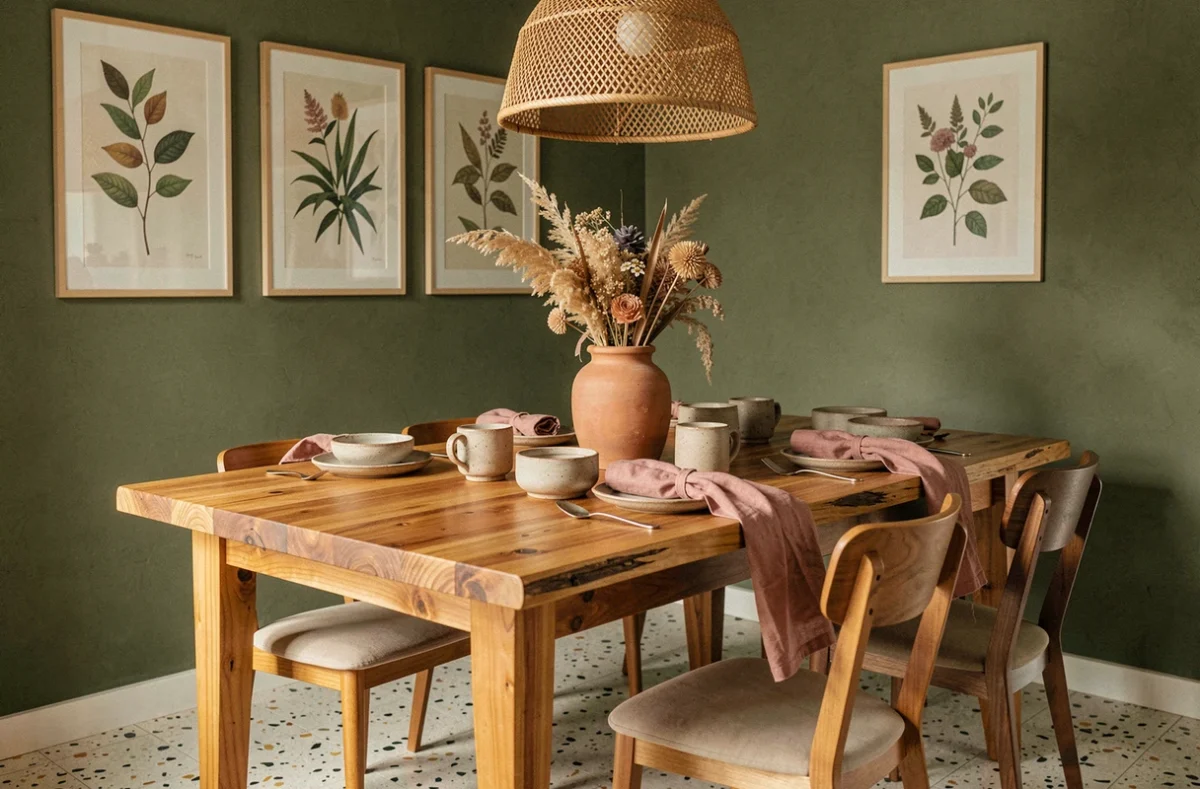
Buying decor online remains an exercise in compromise between the richness of the available offer and the limits of the sensory experience at a distance. The most useful criteria for making a purchasing decision (traceability of textiles, actual footprint of modular furniture, rendering of colors in natural light) are rarely found on a product’s main page. They require active research in technical sheets, detailed reviews, or direct exchanges with sellers.