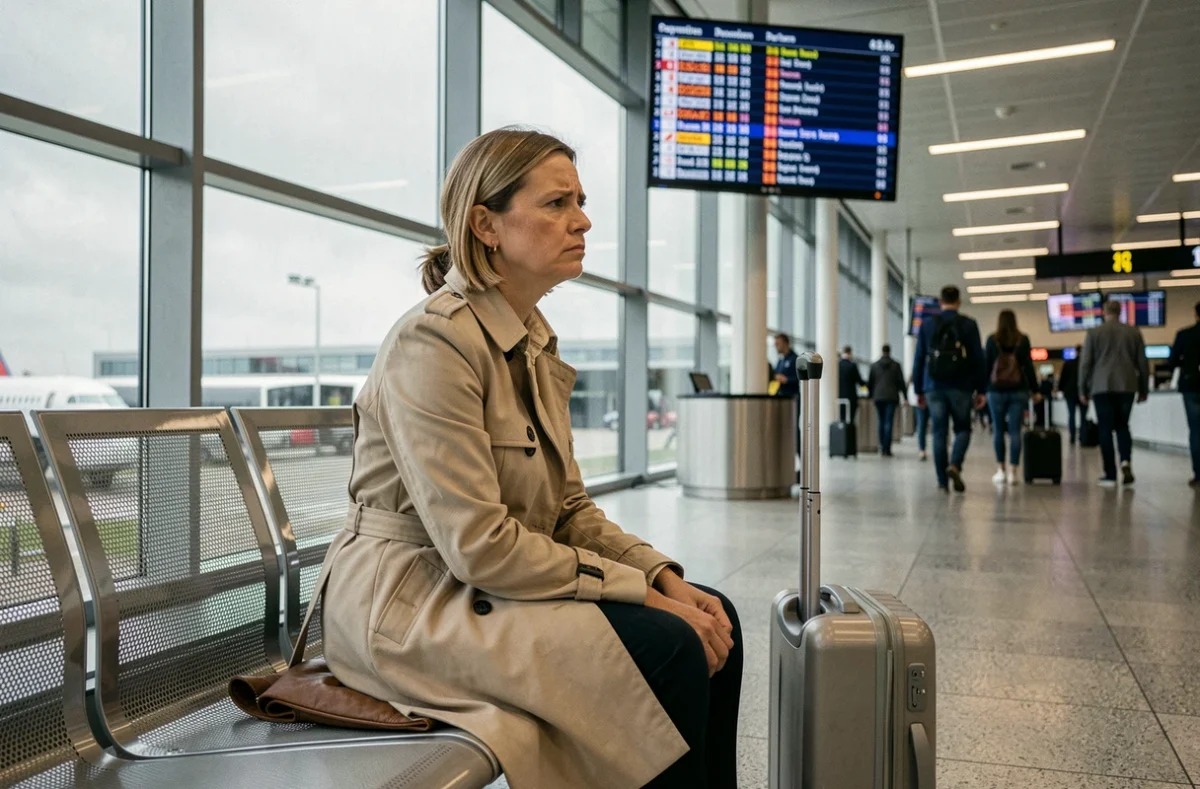
European Regulation EC 261/2004 establishes a compensation framework for passengers whose flights are delayed, cancelled or overbooked. At Transavia, the low-cost airline in the Air France-KLM group, disruptions are common during peak travel seasons. Compensation depends on the flight distance and the actual arrival time at the destination—not just the departure delay. Understanding how the rules work can help you avoid procedural mistakes that waste time and sometimes cost you your rights.
Missed connection on a separate ticket after a Transavia delay: who pays?
A passenger books a Transavia flight to a hub, then a second flight with another airline to reach their final destination. The first flight is delayed by three hours, and the passenger misses their connection. This scenario creates legal uncertainty that most guides fail to address.
When both flights are on the same ticket (single booking), the airline operating the first leg must reroute the passenger and provide assistance. EC Regulation 261/2004 applies to the entire journey.
The situation changes dramatically with separate tickets. Transavia has no contractual obligation regarding the second flight. It must compensate passengers for delays to its own flight if the conditions are met, but the cost of a missed flight booked on a separate ticket remains the passenger’s responsibility. The second airline, for its part, considers the passenger a no-show.
A detailed analysis of how Transavia handles cancelled flights shows that this situation regularly affects travellers who combine Transavia with a long-haul flight. The only reliable way to avoid it is to allow plenty of time between flights or choose a single booking when your itinerary includes a connection.
Transavia delay compensation: the calculation is based on arrival time
European regulations do not use the departure time to calculate compensation. What matters is the time the aircraft doors open at the destination. A flight that takes off two hours late but arrives less than three hours behind schedule does not qualify for fixed compensation.
The amounts set by the regulation depend on the flight distance:
- Short-haul flights (up to 1,500 km): 250 euros per passenger.
- Intra-EU flights over 1,500 km or flights between 1,500 and 3,500 km: 400 euros per passenger.
- Flights over 3,500 km: 600 euros per passenger.
Transavia mainly operates short- and medium-haul routes from France to Europe, North Africa and the Middle East. Most passengers therefore fall into one of the first two categories.
Rerouting and a 50% reduction
When Transavia offers rerouting on another flight and the passenger reaches their destination with a shorter delay than on the original flight, compensation may be reduced by 50%. This reduction applies if the final delay is no more than two hours for short-haul flights, three hours for medium-haul flights or four hours for long-haul flights. Rerouting does not remove the right to compensation; it affects the amount payable.
Strikes and extraordinary circumstances: Transavia is not always exempt
Transavia regularly cites “extraordinary circumstances” as grounds for refusing compensation. Extreme weather, security alerts and air traffic control restrictions can indeed exempt the airline from paying.
Strikes are a more nuanced issue. In a ruling dated 6 October 2025, the Toulouse Judicial Court rejected Ryanair’s claim for exemption in connection with an air traffic controller strike. The court found that the airline had not demonstrated a direct link between the strike and the disruption to its flight, nor proved that it had taken all reasonable measures. The same reasoning applies to all airlines, including Transavia.
A refusal of compensation on the grounds of a strike is therefore worth challenging. The airline must provide specific evidence, not just a generic statement.

Transavia claims and mandatory mediation: practical steps
The first step is to submit a written claim directly to Transavia, using its online form or by post. The airline generally has two months to respond.
If the response is unsatisfactory or you receive no response, what happens next depends on a recent regulatory change. A decree dated 5 August 2025 made prior mediation mandatory from 7 February 2026 for certain claims relating to a cancelled or delayed flight or denied boarding. In other words, taking a case directly to court without first going through a mediator may now result in the claim being ruled inadmissible.
DGAC and the mediator: two distinct roles
The French Directorate General for Civil Aviation (DGAC) receives reports and monitors airlines’ compliance with European regulations. It does not pay individual compensation or resolve disputes between passengers and Transavia.
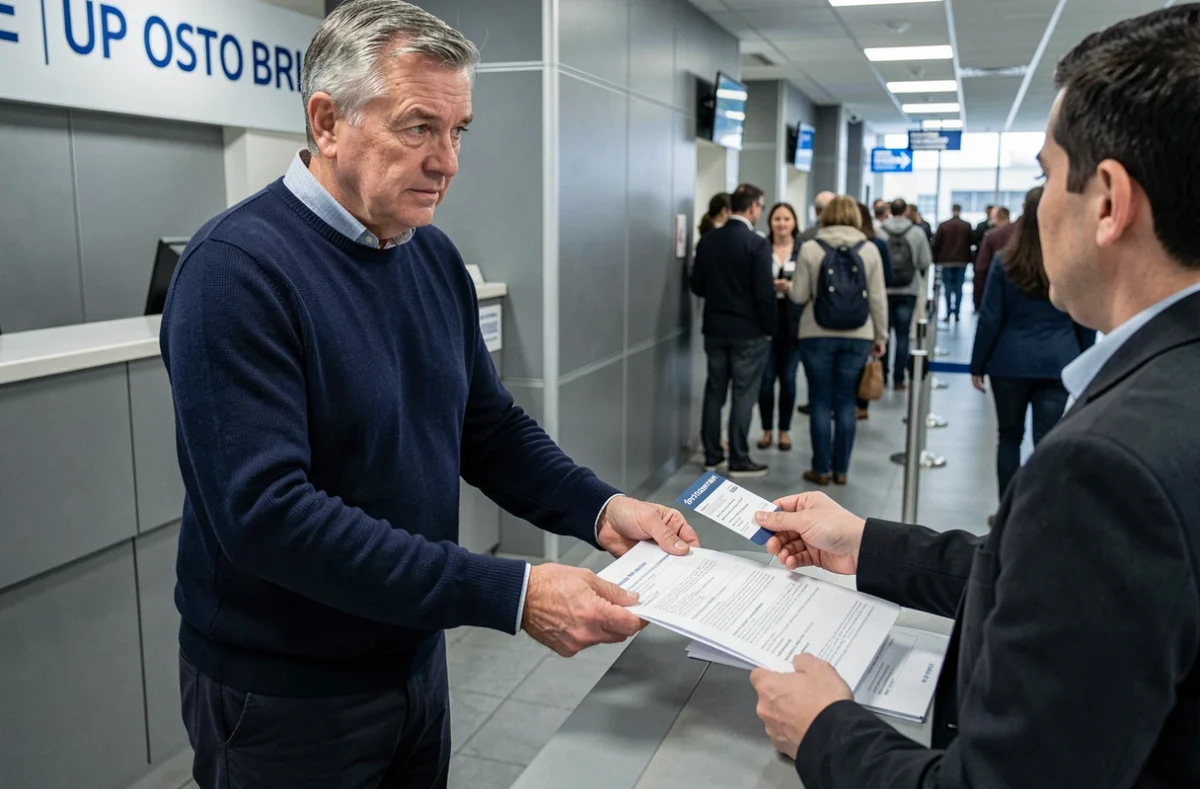
The Tourism and Travel Mediator, on the other hand, can step in after a direct claim has failed. Its recommendation is not binding, but it is followed in the vast majority of cases. Gather the following documents for any claim:
- Booking confirmation and boarding pass (or proof that you were unable to board).
- Official communication from Transavia about the delay or cancellation.
- Receipts for expenses incurred (meals, accommodation, alternative transport).
- All written correspondence with the airline.
The fixed compensation provided for under EC Regulation 261/2004 is independent of the price paid for the ticket. A low-cost flight carries the same rights as a full-fare ticket, provided the arrival delay exceeds three hours and the airline cannot prove that extraordinary circumstances applied. Keeping every document from the moment a disruption occurs remains the most effective way to support a successful claim.