
Online streaming has revolutionized the way we consume audiovisual content. In just a few years, this technology has established itself as the preferred mode of distribution for a generation eager for flexibility and choice. Giants like Netflix, Amazon Prime Video, and Disney+ are now competing in a rapidly expanding market, each seeking to attract subscribers with increasingly diverse catalogs and original productions.
In the face of fierce competition, new players are emerging, offering specialized services or exploiting specific niches. The rapid evolution of technology and consumer expectations is pushing these platforms to constantly innovate, thus redefining industry standards.
The Evolution of Online Streaming: From Beginnings to Today
The beginnings of online streaming date back to the late 90s, but it was truly with the advent of YouTube in 2005 that this technology took off. Created by three former PayPal employees, this platform quickly gained popularity due to its accessibility and the free nature of its services. YouTube not only revolutionized video consumption, but also laid the groundwork for an economic model based on advertising.
The rise of paid streaming platforms was swift. Netflix, initially focused on DVD rentals, anticipated the potential of online streaming as early as 2007. Netflix’s strategy quickly shifted towards the production of original content, marking a turning point in the audiovisual industry. Today, Netflix invests billions of dollars each year to offer exclusive series, films, and documentaries.
In France, the streaming market has seen the emergence of many players, each seeking to capture a share of the global market. Services like Amazon Prime Video and Disney+ have established themselves with diverse and attractive offerings. Smaller platforms, such as Papystreaming, continue to exist, catering to specific and often niche demands.
The cultural industry has not been spared by this revolution. Social networks and streaming platforms have disrupted the modes of distribution and consumption of content. In response to this shift, traditional cultural industries have had to adapt, integrating new technologies and redefining their distribution strategies. Virtual reality and augmented reality, for example, are beginning to find their place in this ever-evolving ecosystem.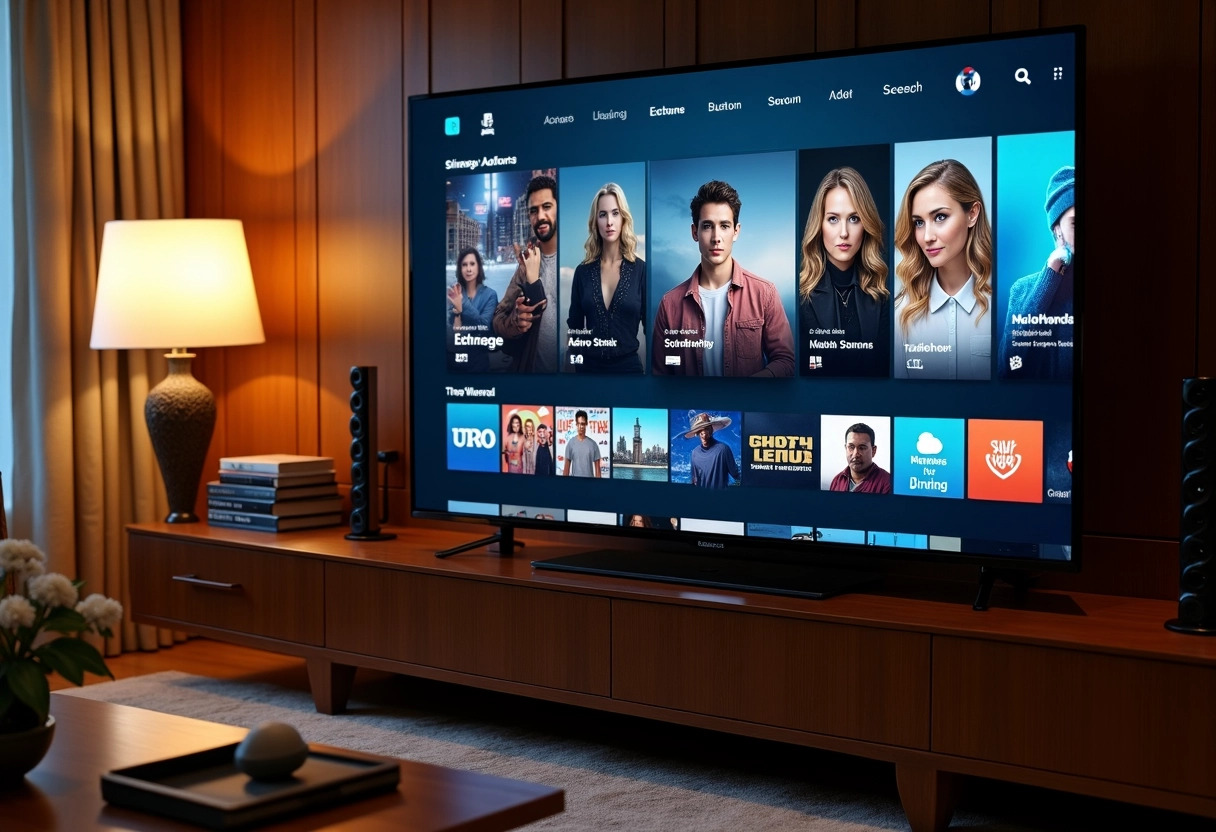
Major Players and Their Strategies
The online streaming landscape is dominated by a few giants who have managed to establish their brand through well-defined strategies. Among them, YouTube and Netflix stand out with different but complementary approaches.
YouTube, owned by Google, focuses on user-generated content to maintain a massive and diverse audience. Its economic model primarily relies on advertising, with millions of content creators attracting billions of views each day. The platform contests the CNC tax, arguing its role as a broadcaster rather than a producer.
European players are trying to carve out a space. This is the case with Bedrock, a subsidiary of M6 and RTL, created in 2020. Led by Jonas Engwall, this platform positions itself as a key player for streaming services in Europe by operating for several clients linked to RTL.
- 6play
- Videoland
- RTL+
- RTLPlay
Bedrock has also worked for Salto and compares its investments to those of Canal+. These collaborations demonstrate Bedrock’s ambition to position itself as a leader in the streaming sector in Europe.
The strategy of Netflix is based on the production of high-quality original content. With massive investments in series, films, and documentaries, Netflix has secured a loyal subscriber base. Its ability to analyze user data allows it to refine its content offerings, thus ensuring a personalized and engaging experience.