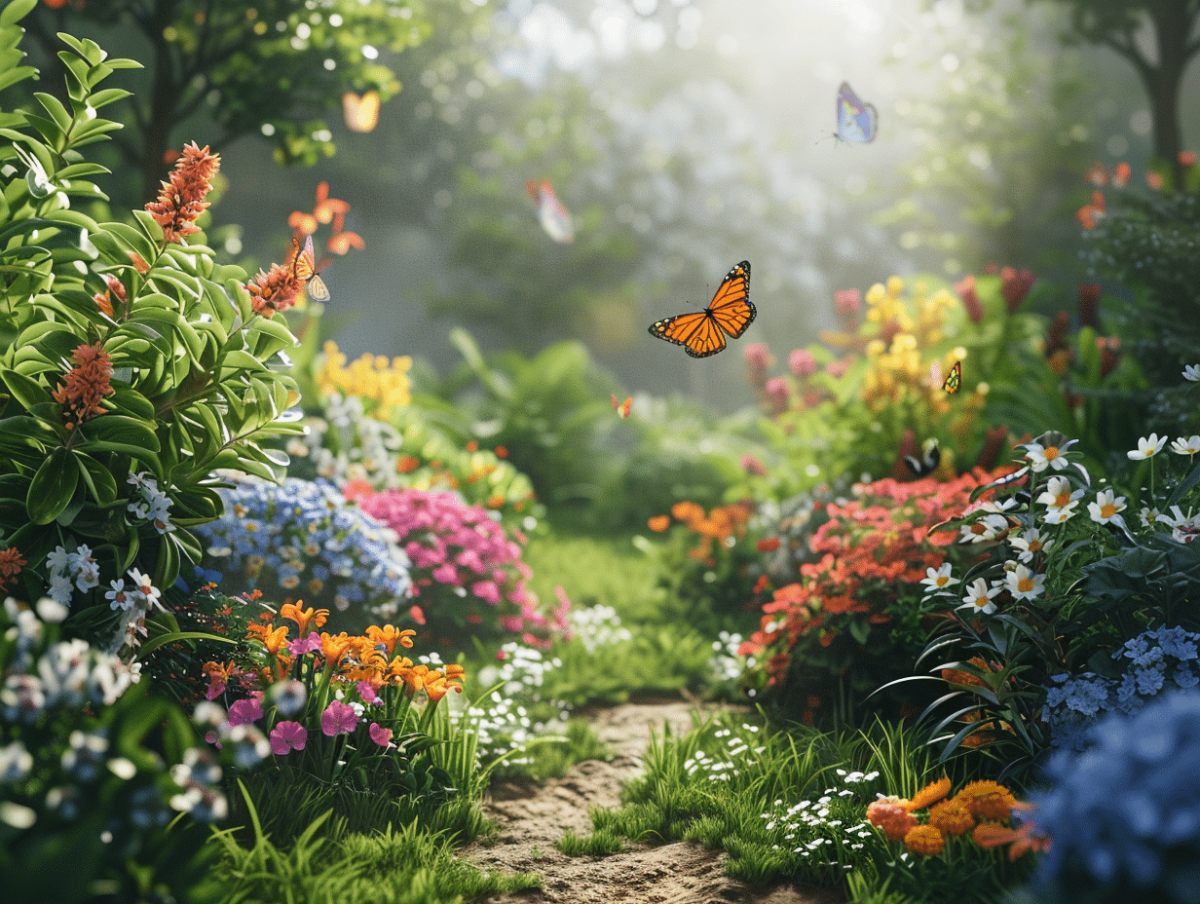
The magic of a garden bursting with colors lies in the meticulous selection of plants that will compose this living tableau. Every green space, whether vast or confined, has a unique potential to exploit. The key to successfully transforming this space into a multicolored Eden is to understand the requirements of each plant in terms of light, soil, and moisture. By considering the color palette, blooming period, and height of the plants, the gardener can orchestrate a symphony of shades and textures that will bring dynamism and harmony to their garden throughout the year.
Choosing Plants According to Climate and Exposure
In the art of composing a garden, climate and exposure are determining factors. A plant well adapted to its environment reveals all its flair, whether it’s the dwarf banana Musella lasiocarpa with its golden lotus-shaped flowers or the Chinese palm, majestic with its fan-shaped leaves that can reach over a meter wide. Urban gardens, often facing harsher conditions, will benefit from evergreen plants, favored for their resilience and ability to provide constant foliage.
For sun-drenched locations, opt for New Zealand flax, with its ribbon-like leaves offering a palette of warm colors, or pink flowering trees that bring a touch of romance and delicacy. Conversely, shaded spaces will gladly welcome hostas, with their blue-tinged foliage that withstands the lack of direct light better, or heucheras in varied shades, from gold to purple. These wise choices ensure a lasting visual spectacle and satisfaction for the gardener attentive to the specific needs of their charges.
When venturing onto terraces or balconies, protection against root frost becomes paramount. Container plants can be planted year-round, allowing flexibility in landscaping. Climbing plants such as blue passionflower, which takes over a hedge or trellis, or sweet potatoes with dark, anise, or purple foliage, are assets for maximizing vertical space usage. During the dormant season, bare-root plants can be planted, providing a smooth transition into the new season, full of promises of renewal.
Creating Visual Harmony with Varied Plantings
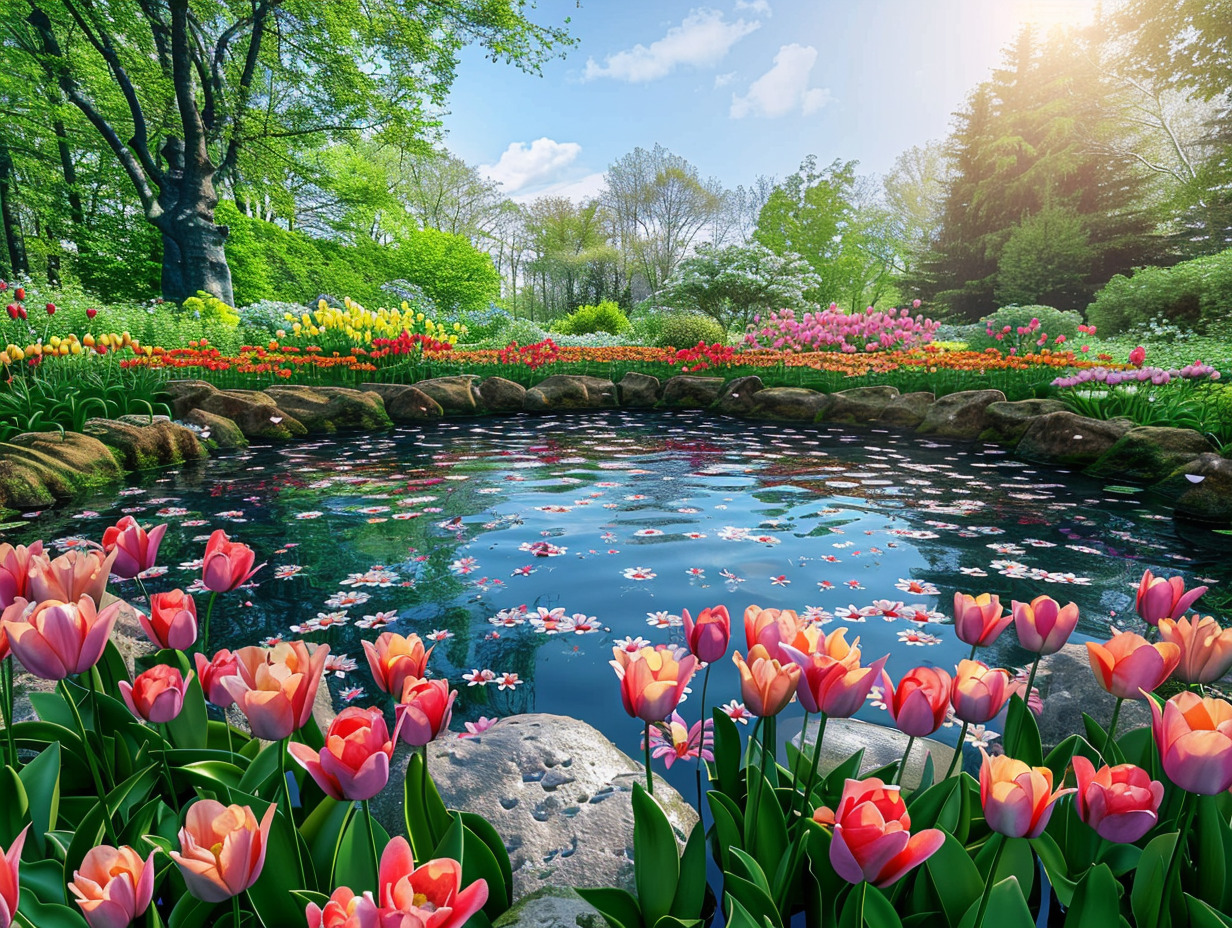
To transform a garden into a green haven reminiscent of the lushness of a tropical forest, the diversity of plants proves to be the key. Designing a space where the lush garden becomes reality requires a careful selection of plants, playing with shapes, heights, and colors. The Japanese banana, with its wavy leaves reaching up to five meters, creates a spectacular backdrop for plants with more modest blooms, such as the marsh hibiscus with its impressive flowers that can reach 25 cm in diameter.
The aesthetics of a garden are also enhanced by the addition of varied textures. Imagine the large umbrella-shaped leaves of the Chinese tetrapanax contrasting with the delicacy of the fronds of the Tasmanian tree fern. The latter offers over two meters of finely cut foliage, adding a touch of lightness to the whole. Cannas, with their upright red or cream-variegated foliage, provide welcome verticality and a strong focal point.
The selection of ground-cover plants like Begonia grandis can also contribute to visual harmony. Its ground-covering ability allows it to blanket the soil and link the different plant layers, creating a coherent visual connection. Heucheras, with their color palette ranging from gold to purple, are also allies for filling spaces and offering chromatic continuity.
Do not overlook the use of climbing plants to maximize the use of vertical space. The blue passionflower, wrapping around a hedge or trellis, adds an extra dimension to the garden, while sweet potatoes, with their dark, anise, or purple foliage, enrich the vertical color palette. These thoughtful and harmonious plant associations thus transform your green space into a colorful paradise, inviting contemplation and relaxation.