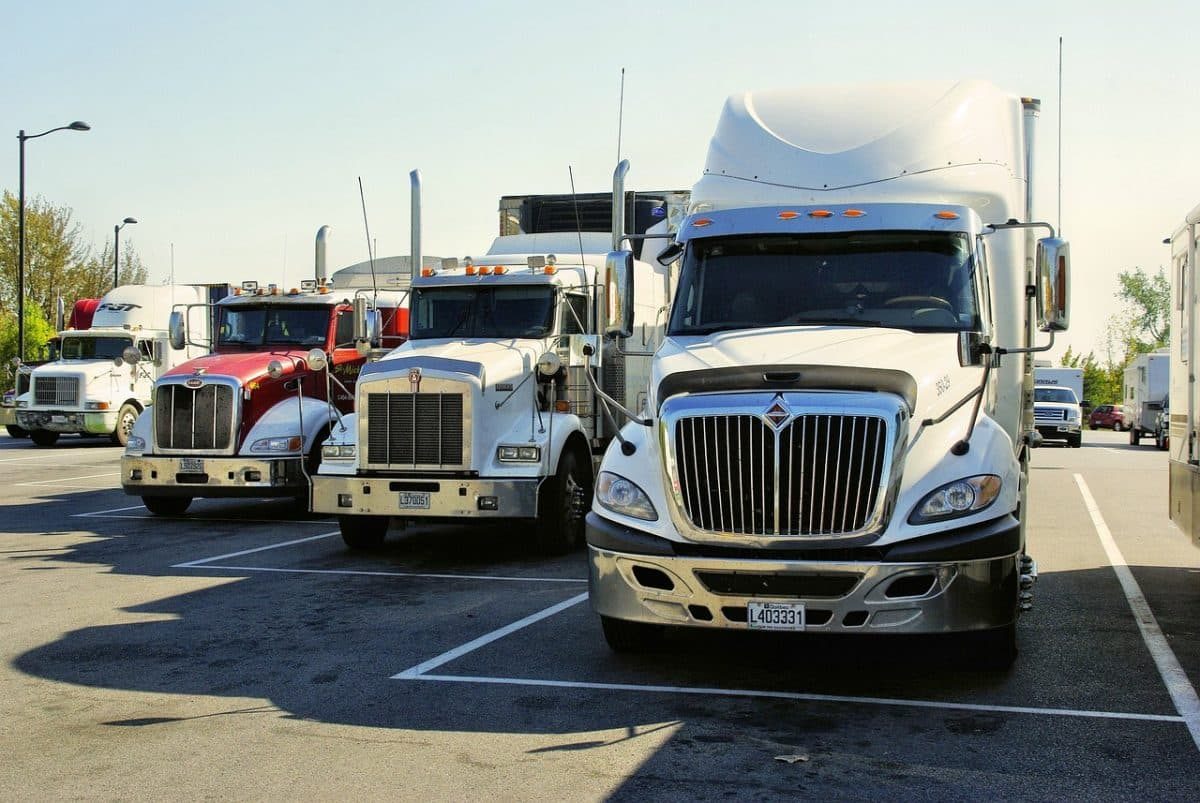
The international transport to England is of paramount importance in trade exchanges between the United Kingdom and the rest of Europe. With Brexit, new dynamics and challenges have emerged, impacting various transport solutions, particularly road transport.
Road transport: a preferred option
Road transport remains one of the most commonly used means of delivering goods to England. Trucks offer unparalleled flexibility in terms of routes and schedules, allowing businesses to respond quickly to customer demands. Moreover, the well-developed motorway networks of continental Europe facilitate the rapid transit of goods to ports or Eurotunnel terminals.
The Eurotunnel: a key link
The Eurotunnel represents an efficient solution for the road transport of goods. Inaugurated in 1994, this tunnel under the English Channel allows trucks to travel between France and England in just 35 minutes. Trucks board shuttles specifically designed for freight, ensuring a fast and secure passage under the sea. The Eurotunnel is particularly valued for its speed and reliability, significantly reducing waiting times compared to ferries.
Ferries: a necessary alternative
Despite the advantages of the Eurotunnel, ferries remain a crucial option for transporting goods to England. Several ferry companies operate regular services between major European ports and British ports, such as Dover, Portsmouth, and Harwich. Ferries offer significant loading capacity and are often used to transport bulky or hazardous goods that cannot be shipped through the tunnel. Additionally, they provide an essential alternative in case of disruptions to the Eurotunnel.
Post-Brexit logistical challenges
Brexit has introduced new challenges for the road transport of goods to England. Customs formalities and border checks have intensified, leading to additional delays and increased costs for carriers. Businesses must now comply with a multitude of regulations and administrative procedures, complicating the logistical process. To overcome these obstacles, carriers are investing in digital solutions and closely collaborating with customs authorities to facilitate the clearance of goods.
Digital technologies: a valuable aid
The adoption of digital technologies plays a key role in optimizing road transport of goods to England. Transport Management Systems (TMS) and tracking platforms enable companies to effectively plan their routes, track the real-time location of trucks, and manage customs formalities more smoothly. Furthermore, advanced communication technologies promote collaboration among various stakeholders, thus improving coordination and reducing the risk of delays.
Sustainability: a growing issue
With the rise of environmental concerns, sustainability is becoming a crucial issue in the road transport of goods to England. Companies are increasingly encouraged to adopt environmentally friendly practices, such as using electric or hydrogen trucks and optimizing routes to reduce fuel consumption. Additionally, initiatives like road tolls based on CO2 emissions encourage carriers to adopt more eco-friendly solutions.