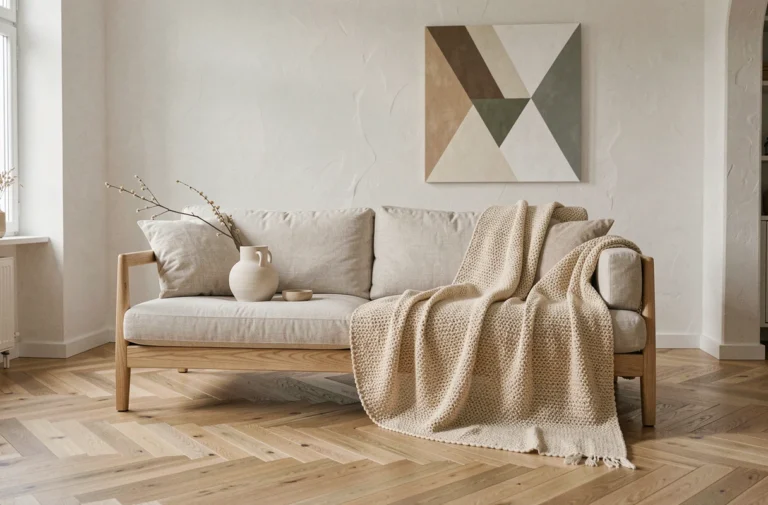
A disorganized layout fosters anxiety, yet the accumulation of objects remains common in most homes. According to the World Health Organization, the immediate environment directly influences sleep quality and productivity.
Some materials, often overlooked, have a measurable impact on the feeling of relaxation in daily life. Adjustable lighting, still underutilized, alters the perception of space and affects mood. Concrete choices to transform an interior into a rejuvenating space are based on simple principles, but are rarely applied in their entirety.
Why transforming your interior into a haven of peace changes daily life
Transforming your living space into a true refuge is not merely a decorative whim or a simple desire for aesthetics. When a home becomes a place of rejuvenation, it provides solid support against the pressures of daily life. A decluttered interior frees the mind, lightens the mental load, and gives you the breath to better manage the unexpected. Tidying up, far from being a constraint, then becomes a tool to clarify priorities and keep a cool head.
Studies in environmental psychology demonstrate that spatial order acts as an emotional buffer. An organized space promotes concentration, calms nervousness, and invites you to slow down. Designing your interior as a sanctuary, where each area has its function—rest, reading, silence—multiplies the opportunities to regain calm. Meditating, reading, or simply sitting by a window becomes easier when the environment supports it.
To go further, visiting the Atom News website allows you to delve deeper into these approaches, thanks to practical advice and real-life examples. The home then becomes much more than a roof: it transforms into an ally for preserving mental health and stabilizing emotional balance. The impact is quickly measurable—more restorative sleep, reduced stress, regained energy. When the home becomes an anchor point, it protects against the turmoil outside.
What atmospheres and materials truly promote well-being at home?
To establish a soothing atmosphere at home, the choice of colors and materials should be intentional. Favoring soft tones like beige, pale blue, and sage green helps create a serene climate and calms visual tensions. These shades, inspired by nature, soothe the eyes and invite relaxation.
Natural light deserves a prime spot. Maximize it by placing mirrors opposite windows to reflect brightness throughout the room. As soon as the light dims, rely on accent lamps or discreet string lights to create a warm and welcoming ambiance in just moments.
Natural materials are your best allies for creating a pleasant living space. Raw wood, stone, linen: each brings its own texture and warms the space in its way. A solid wood table adds character, a stone console stabilizes the whole, and linen adds a touch of softness. To enhance this sense of balance, add green plants: they purify the air and bring life to every corner while reducing accumulated tension.
Here are some elements that contribute to creating a calming interior:
- Soft cushions and throws to enhance comfort
- Natural candles or an essential oil diffuser to set the olfactory ambiance
- Works of art or personal items to personalize the space and stimulate creativity
The principle of wabi-sabi inspires this approach: valuing the natural, accepting imperfection, and preferring authenticity over the pursuit of a smooth and impersonal interior. This moves us away from static decor to create a lively, inhabited space that reflects oneself.

Concrete and easy tips to adopt for a calming and warm home
To radically change the ambiance of your interior, simple solutions often make a difference. Multifunctional furniture, for example, adds real value: a bench with storage, a coffee table equipped with drawers, or an integrated bookshelf can free up space while facilitating organization. The result: improved flow and a calmer mind.
To structure each living area, a few well-chosen accessories are sufficient. Baskets made of natural fibers hold magazines or throws, elegant hooks keep coats within reach, and wall shelves display items while decluttering the floor.
The entryway deserves special attention: installing a comfortable rug, a coat rack, and a seat helps mark the separation between the outside and the intimate sphere. This simple ritual naturally prepares you for relaxation and disconnection.
The quality of air should not be overlooked. An efficient ventilation system, such as a heat recovery ventilator (HRV), enhances comfort and aligns with a sustainable approach. Indoor plants continue to purify the air and add a lively touch to each room.
Even in a small space, create a dedicated corner for reading or relaxation. An enveloping armchair, an adjustable lamp, and a few books set the scene for escaping the daily hustle. When natural light floods this space, well-being takes root immediately.
Every gesture counts in building a calming home. Remodeling your space means choosing balance over cacophony every day. A simple shift in perspective, and the home finally becomes the sought-after haven of peace.