
Zalando sources its products through direct contracts with brands or their authorized distributors. Every product sold directly by the platform goes through a contractual supply chain, which sets Zalando apart from most general marketplaces where any seller can open a shop. Several brands like Levi’s, Puma, or New Balance list Zalando among their authorized retailers, a status that these same brands deny to other competing platforms.
Digital Services Act and Zalando’s obligations as a very large platform
Zalando is classified as one of the very large online platforms under the DSA (Digital Services Act), the European regulation that will apply from 2024 to digital services with more than 45 million monthly users in the Union. This classification imposes enhanced obligations that consumer articles rarely mention.
Specifically, Zalando must conduct annual independent audits of its moderation processes, publish transparency reports detailing the volume of content and products removed, and implement a reporting mechanism accessible to all users. The platform is also required to cooperate with national market surveillance authorities, in France the DGCCRF.
This regulatory framework does not guarantee the complete absence of dubious products, but it creates a structural pressure that third-party sellers on the Zalando Partner Program are directly subjected to. A seller reported multiple times for non-compliance risks account suspension without notice. We observe that the question of whether Zalando sells fakes often arises, while the main risk lies elsewhere.
Direct sales and Zalando Partner Program: two channels, two levels of risk
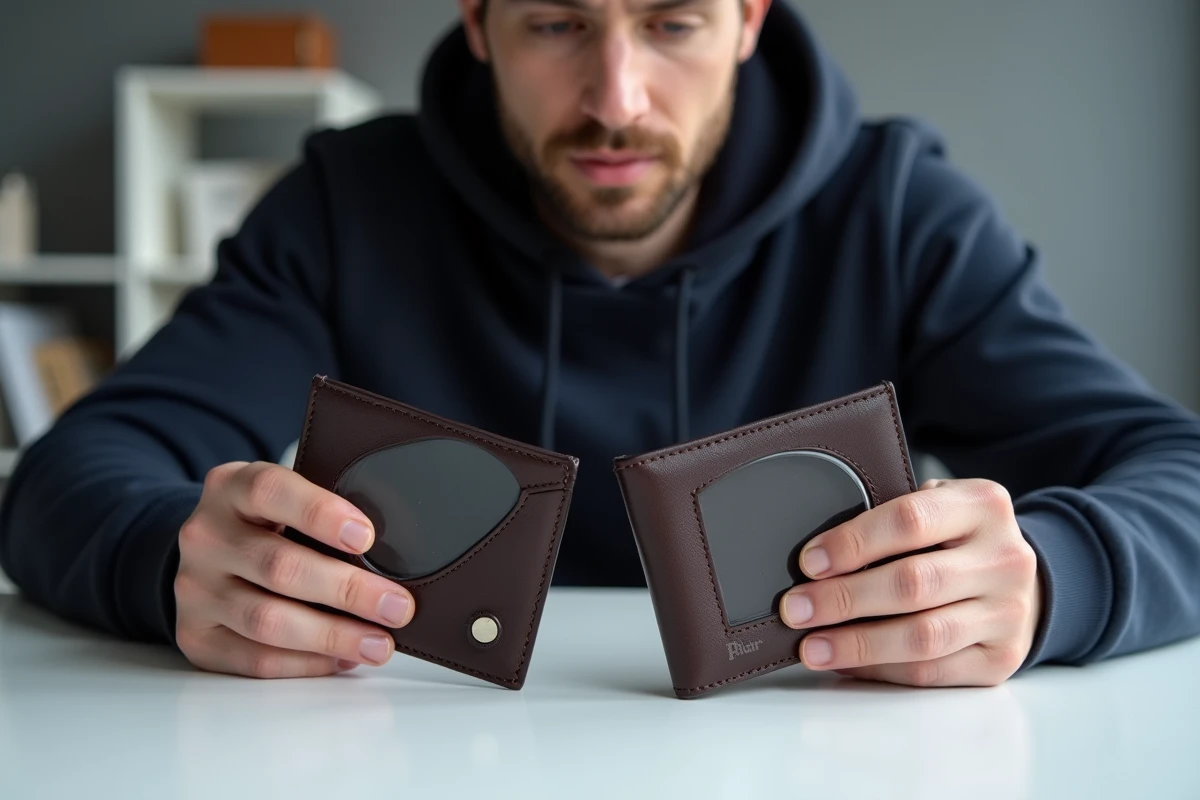
The distinction between items sold and shipped by Zalando and those offered through the Partner Program changes everything regarding authenticity. On a product page, the mention “sold by Zalando” means that the platform has purchased the stock, stores it in its warehouses, and controls it before shipping. The risk of counterfeiting on these items is close to zero.
The Partner Program operates differently. Third-party merchants list their products on Zalando, manage their own stock, and sometimes their own shipping. Zalando imposes entry criteria (verification of seller identity, compliance of product listings, respect for intellectual property rights), but physical control of the product is not systematic before sending it to the customer.
Identifying the seller on a product page
On each product page, a box located under the add to cart button indicates the seller’s name. If this name differs from “Zalando,” you are facing an item from the Partner Program. We recommend systematically checking this detail before purchase, especially for premium brands or items whose price seems unusually low.
- Mention “sold and shipped by Zalando”: integrated channel, quality control in warehouse, standard return within 30 days
- Mention of a third-party seller with Zalando shipping: the product passes through Zalando’s warehouses, allowing for partial control
- Mention of a third-party seller with direct shipping: the platform has no physical contact with the item before delivery, the risk is higher
Fake Zalando sites: the main threat in 2025
The most dangerous counterfeiting does not come from Zalando but from sites that imitate Zalando. Since 2024, reports of fake sites mimicking the platform’s interface have significantly increased in France. These sites use typosquatting (domain names close to “zalando.fr” with a modified letter or a different suffix) and are promoted through advertisements on social media.
The DGCCRF and Cybermalveillance.gouv.fr have published specific alerts regarding these phishing campaigns. Consumers who order from these fake sites never receive a product or receive a gross counterfeit, and their banking data is compromised.
Technical checks before purchase
- Check the exact URL in the address bar: the only legitimate domain for France is zalando.fr (and zalando-prive.fr for private sales)
- Verify the presence of the SSL certificate (padlock) and the certificate holder, which must correspond to Zalando SE
- Beware of promotions disseminated only through social ads without a direct link from the official site or app
- In case of doubt, access the site by manually typing the address or via the official app downloaded from the App Store or Google Play
Zalando Privé and clearance products: authenticity and supply chain
Zalando Privé (formerly Zalando Lounge) operates on a flash sales model with significant discounts. Low prices logically raise questions about authenticity. Zalando Privé sources end-of-line and surplus stock directly from brands or their authorized wholesalers.
This clearance channel is comparable to that of physical outlets. Products may date from previous collections, have simplified packaging, or specific outlet labels, but they remain authentic. Zalando Privé does not use third-party sellers, which eliminates the most risky link in the chain.
An item received via Zalando Privé with different labeling from that in-store does not indicate a counterfeit. Brands regularly produce series dedicated to clearance channels, with distinct EAN codes.
Concrete recourse in case of doubt about a received item
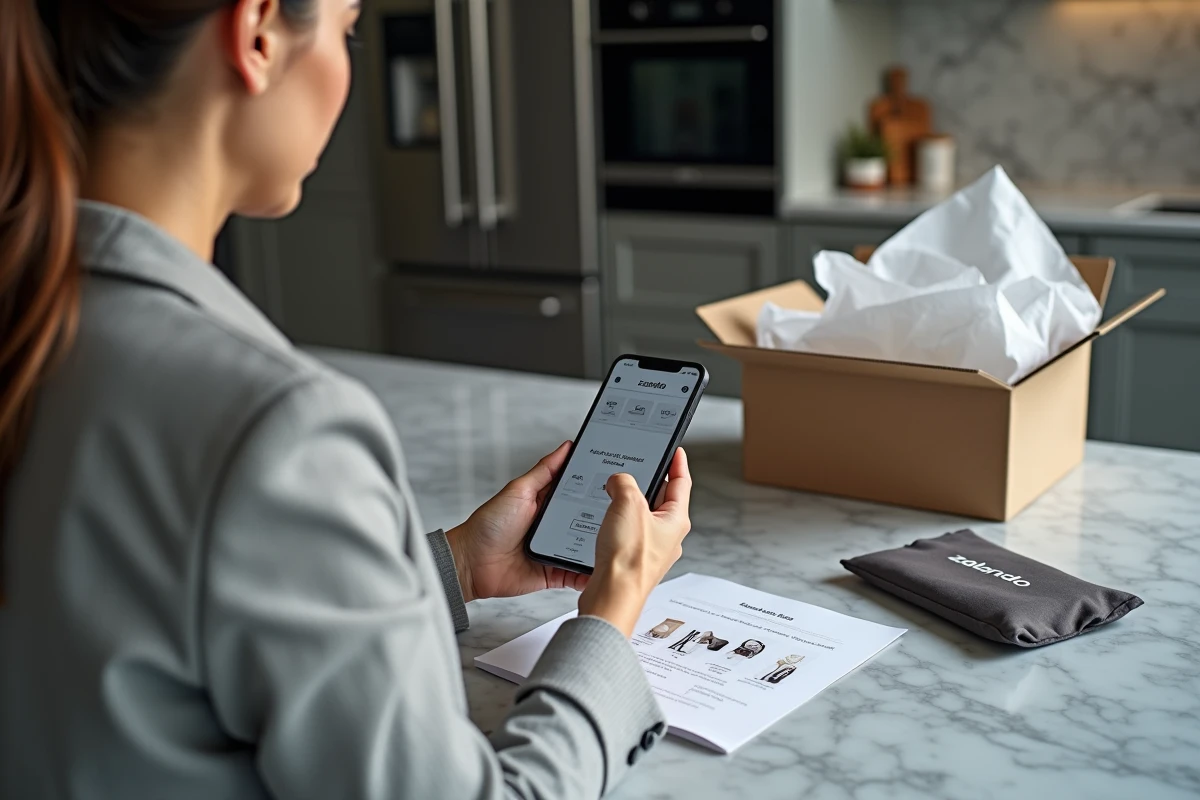
If a received product shows questionable finishes, unusual packaging, or a suspicious label, Zalando offers a return policy without justification within 30 days. Refunds occur after receipt of the returned package. In cases of suspected counterfeiting, customer service can open an internal investigation and suspend the concerned third-party seller.
Beyond returns, any consumer in France can report a suspicious product via the SignalConso platform of the DGCCRF, which then forwards the alert to the relevant services. This reporting is anonymous and contributes to the removal of problematic sellers across all marketplaces.
Products sold directly by Zalando benefit from complete traceability. For items from the Partner Program, the platform retains the seller’s information and can communicate it to authorities in case of disputes. This obligation for traceability of third-party sellers is further reinforced by the DSA, which mandates the verification of identity for any professional operating on a large European platform.